
04.06.2026
Time to read:
6
min
Personal Finance App Development
Development
Guides
Digital technologies are becoming an ever deeper part of everyday life. One of the clearest examples is mobile apps for budgeting and personal finance management. Today, these tools are used by students, freelancers, entrepreneurs, and families — in other words, by anyone who wants to keep their finances under control.
The rise in popularity of these solutions is no coincidence. Financial literacy, spending transparency, saving, and planning are becoming priorities for thousands of users. That is why developing a finance management app is not just a trend, but a real market need.
In this article, we will look at how the process of building a personal finance app works, which stages and details matter most, and why you cannot get far without an MVP, strong UI, and data analysis.


Who Needs It and Why: Audience and Needs Analysis
For an app to be truly useful, you need a clear understanding of who it is being built for. Most often, these users include:
Young people.
They usually do not yet have established financial habits, so an app can become their first step toward better discipline. For them, it is important that the interface be simple and unobtrusive.
Families.
They want to plan a shared budget, track spending by family member, and prepare in advance for major expenses such as vacations, renovations, or education.
Freelancers and entrepreneurs.
They need to see daily cash flow, control income and expenses, and quickly generate reports.
The goal is the same for everyone: to conveniently and clearly track income and expenses, generate reports, view analytics, and understand where the money is going.
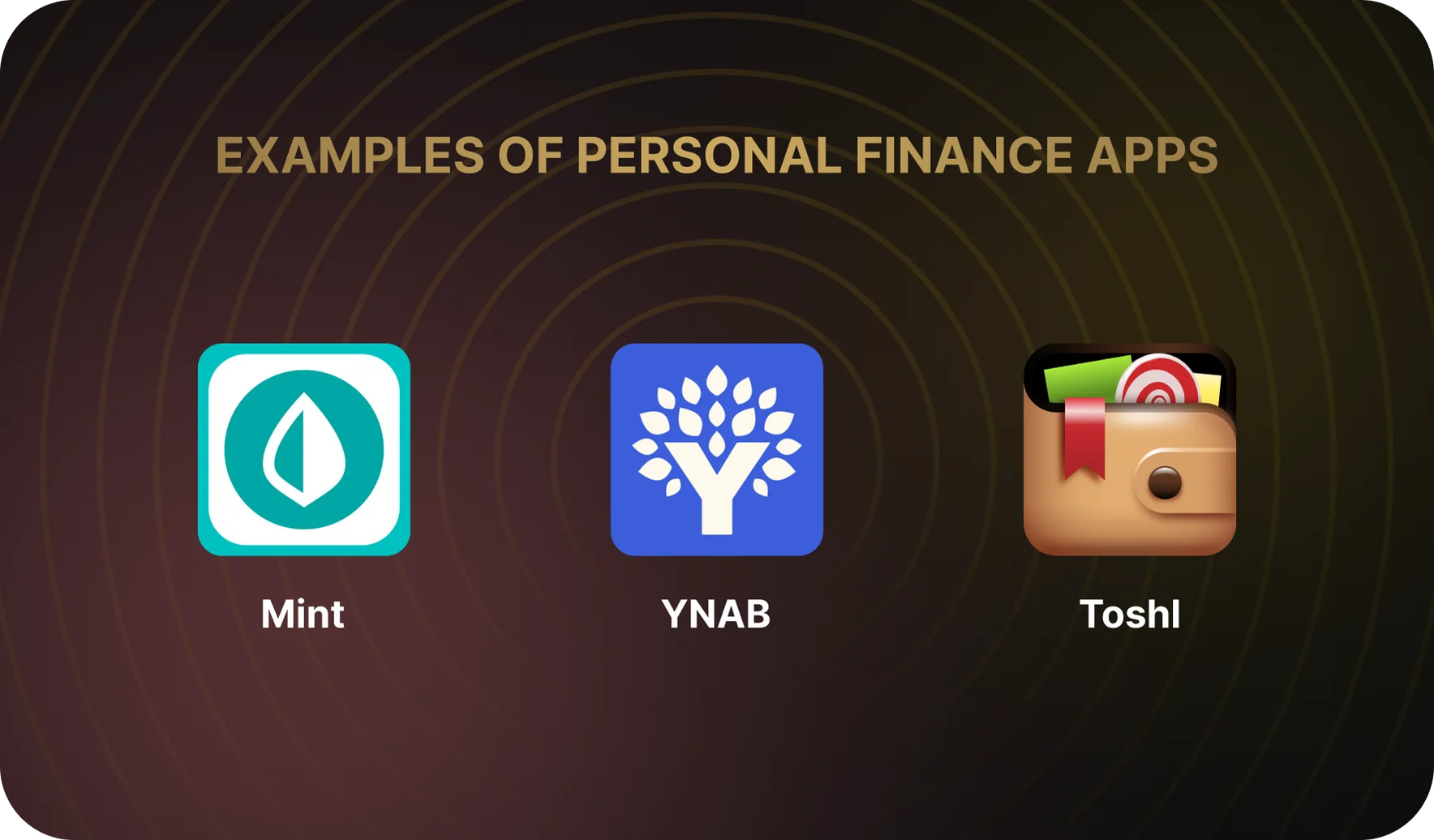
Before starting, it is important to study the market. For example, Mint stands out for its simplicity, YNAB for its budgeting philosophy, and Toshl for its яркий дизайн. Competitor analysis helps avoid common mistakes and define meaningful points of differentiation.
Which Features Matter: From Core to Advanced Functionality
When it comes to building a personal finance app, you first need to decide which features will actually be useful.
Core features:
Income and expense tracking.
Users should be able to quickly log transactions in just a few taps.
Expense categorization.
Every expense should be assigned to a category such as food, transportation, rent, entertainment, and so on. This helps users better understand their spending structure.
Financial goals.
The app should allow users to set specific goals: save for a vacation, pay off a loan, or build an emergency fund.
Advanced features:
Charts and graphs.
Visual analytics help users see how spending changes over time and which categories consume most of the budget.
Notifications and reminders.
The app can remind users to pay bills or suggest adding daily expenses.
Multi-currency support and offline access.
The ability to track finances in different currencies is useful for travelers, while offline access allows users to enter data without an internet connection.
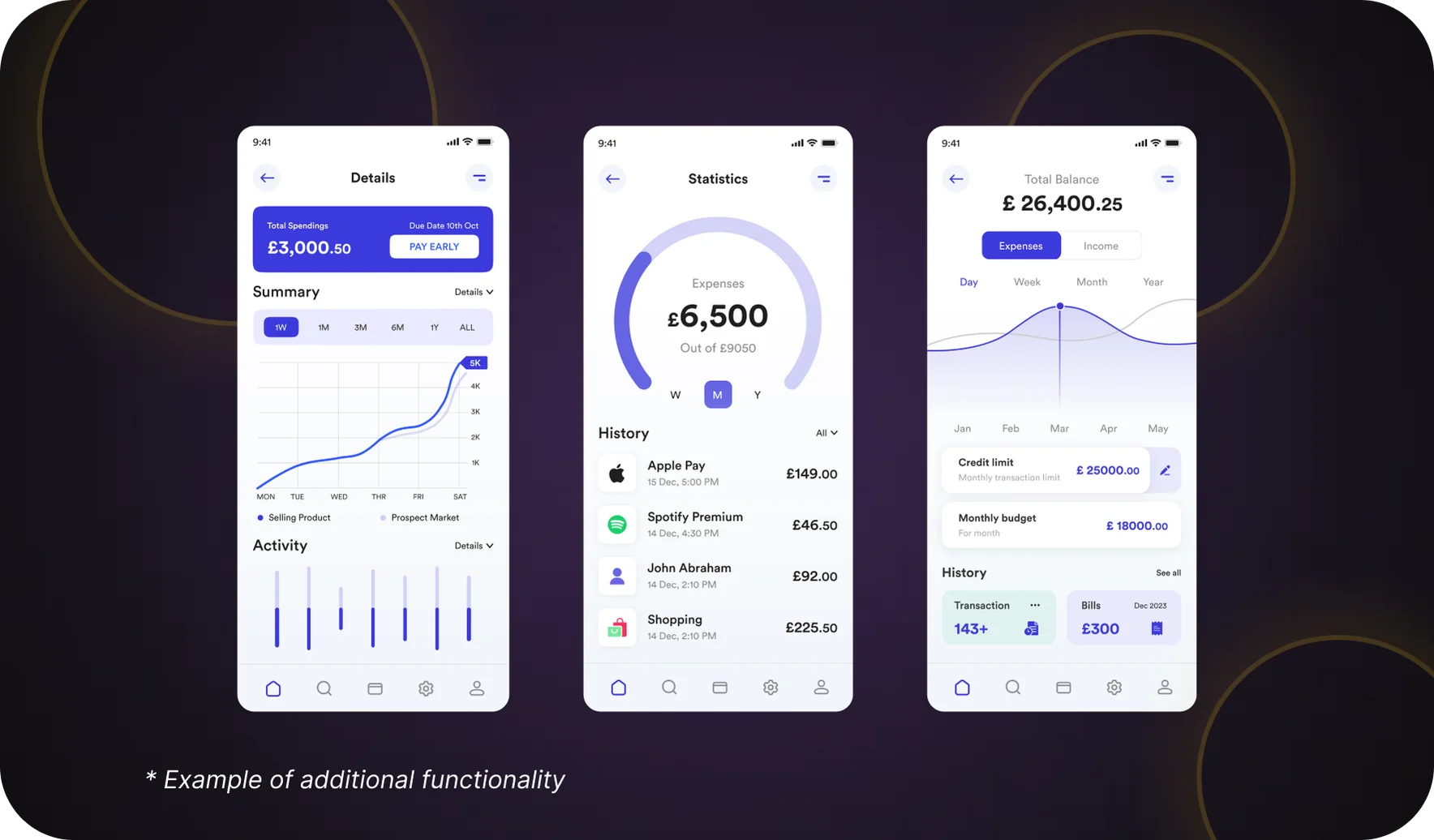
It is best to start with an MVP — a basic version with the key features. This saves resources and helps you gather feedback faster.
How Personal Finance App Development Works
1. Research and planning
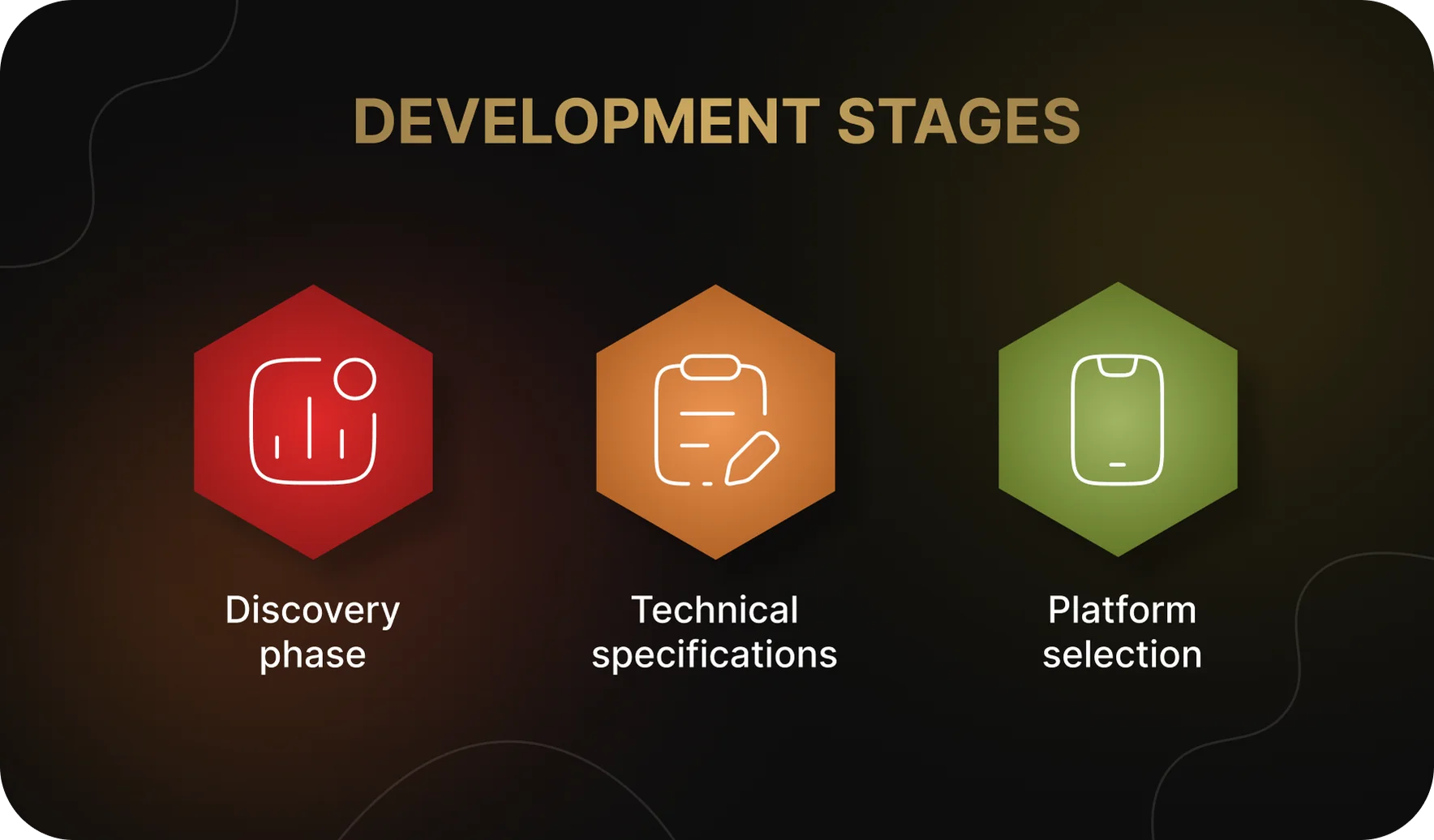
At this stage, the team studies the market, identifies user pain points, and builds a task map. A technical specification is also prepared, describing the features, user scenarios, and architecture. The team decides where the app will run — only on Android, only on iOS, or on both platforms at once. This helps shape realistic timelines and budgets.
2. Interface and UX design
Screen prototypes and user flows are created. The interface should be simple, intuitive, and not overloaded. Prototypes are then tested with a small group of users to evaluate whether everything is clear, whether navigation is convenient, and how quickly people can find the features they need. This helps avoid expensive mistakes later in development.
3. Development
The technology stack is selected. For example, Flutter or React Native can be used for cross-platform development, while Swift and Kotlin are suitable for native apps. At the same time, the backend is built: APIs, databases, and sync logic. Integrations with external services — such as banks or payment systems — are also configured.
4. Testing
The product is tested in several areas:
- Functional testing — does everything work as intended?
- UX testing — is the app convenient to use, or does it cause frustration?
- Load testing — can the system handle a large number of simultaneous requests?
Data security is also assessed. Any vulnerability is a risk to user trust.
5. Publishing
After all checks are completed, the app is submitted to the App Store and Google Play. This is preceded by final preparation: reviewing icons, descriptions, and screenshots. It is also important to plan the marketing strategy in advance: how to attract the first users, which channels to use, and what incentives to offer.

How to Monetize: Revenue Models
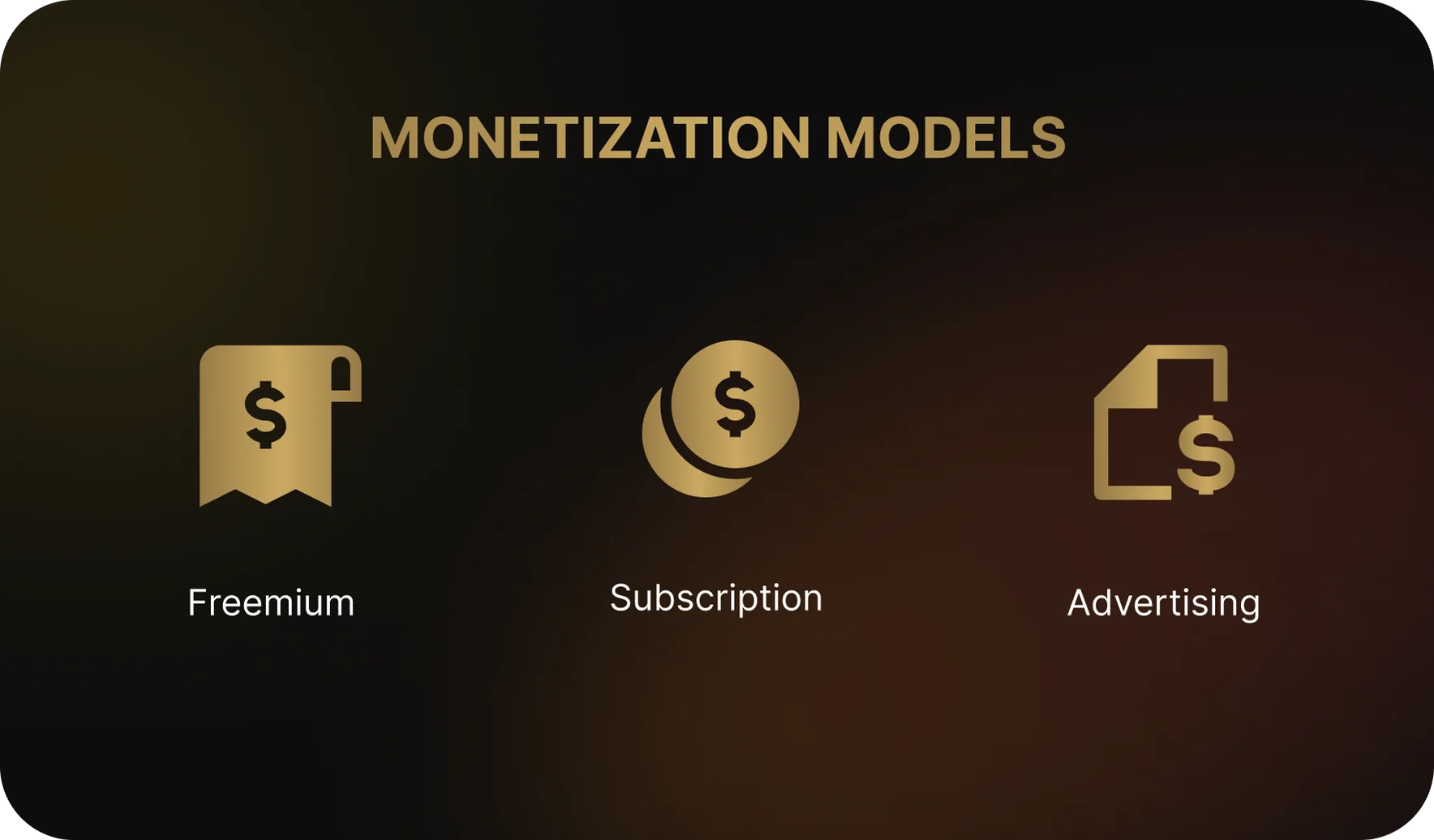
Monetization is something you should think about from the very beginning. When developing a finance app, it is important to consider user behavior, willingness to pay, and tolerance for advertising. The chosen model directly affects the long-term sustainability of the project.
Freemium.
Users get the core features for free. More advanced functionality — such as family access, multi-currency support, or enhanced analytics — is offered under a paid plan.
Subscription.
Users pay regularly for access to additional capabilities such as automated reports, personalized recommendations, or cloud data storage. This model works well when the platform provides value on an ongoing basis.
Advertising.
This option is suitable if you expect a large number of free users. The main thing is not to overdo it: ads should be unobtrusive and should not interfere with the app’s main purpose — managing personal finances.
What Comes Next: Support and Growth
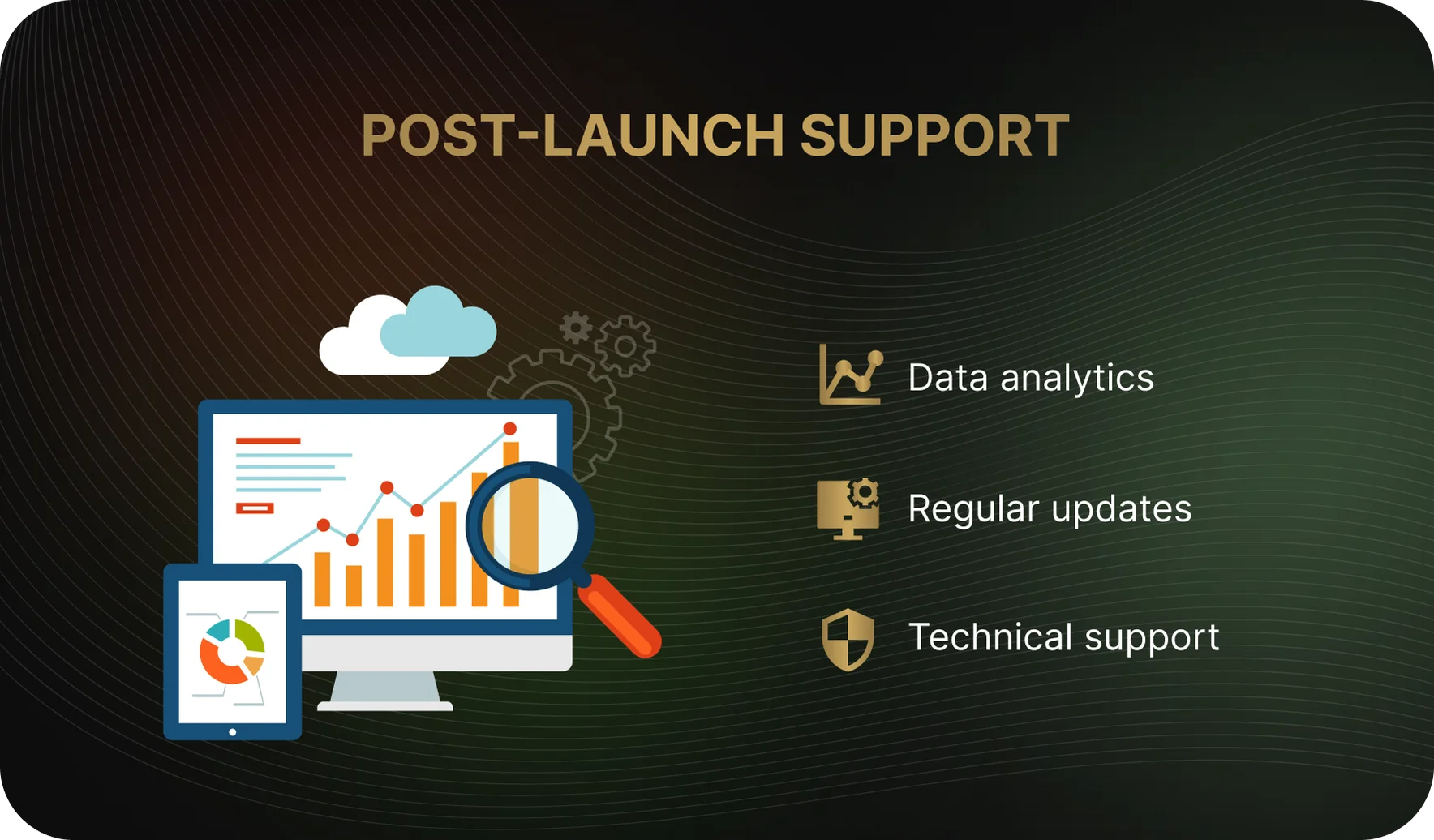
Work on the product does not end after release — in fact, that is when it really begins. To retain and expand your user base, you need to develop the product systematically and consistently:
Collect feedback.
Study app store reviews, support requests, and in-app behavior. This is a priceless source of insight into real user needs.
Analyze metrics.
Track retention, frequency of use, engagement, and conversion. These data points help you make informed product decisions.
Release updates and new features.
Continuous improvement is the foundation of user trust. Adding new capabilities, simplifying complex scenarios, and adapting to user requests all help maintain interest.
Provide technical support.
Bugs, errors, and instability can quickly make users abandon the platform. Responses should be fast, clear, and human.
Stay competitive.
Do not forget the market — monitor trends, competitors, and new technologies. This helps you stay relevant and strengthen the product’s value.
Potential Challenges
Even with a solid approach to planning and development, the road is not always smooth. Challenges inevitably arise — technical, product-related, and organizational. Understanding these risks in advance helps minimize mistakes and prepare for them during the planning stage.
Data security.
Any service working with financial information must comply with international requirements: encryption, as well as protection on both the server and client sides.
Competition.
The market is already crowded with products. You need to stand out — whether through design, approach, or unique functionality.
Simplicity vs. functionality.
Finding the right balance between minimalism and usefulness is not easy. It is important not to overload the interface, but also not to make it feel too empty.

Localization.
If the service is intended for markets beyond the domestic one, you will need to account for languages, currencies, user habits, and even cultural differences in how people manage money.
Conclusion
Developing a personal finance app is always more than just a technical process. For the product to succeed, it must solve specific user problems, be simple and intuitive, and reflect people’s habits and expectations.
This kind of product works with user trust and digital data, so even a small mistake can waste time and damage the product’s reputation.
The Beetrail team helps create reliable, technology-driven products the right way from the start. We will guide you from idea to launch while helping you avoid common mistakes and risks.
Ready to discuss your project? Write to us — and we will show you how to build an app people can trust.
Who Needs It and Why: Audience and Needs Analysis
For an app to be truly useful, you need a clear understanding of who it is being built for. Most often, these users include:
Young people.
They usually do not yet have established financial habits, so an app can become their first step toward better discipline. For them, it is important that the interface be simple and unobtrusive.
Families.
They want to plan a shared budget, track spending by family member, and prepare in advance for major expenses such as vacations, renovations, or education.
Freelancers and entrepreneurs.
They need to see daily cash flow, control income and expenses, and quickly generate reports.
The goal is the same for everyone: to conveniently and clearly track income and expenses, generate reports, view analytics, and understand where the money is going.

Before starting, it is important to study the market. For example, Mint stands out for its simplicity, YNAB for its budgeting philosophy, and Toshl for its яркий дизайн. Competitor analysis helps avoid common mistakes and define meaningful points of differentiation.
Which Features Matter: From Core to Advanced Functionality
When it comes to building a personal finance app, you first need to decide which features will actually be useful.
Core features:
Income and expense tracking.
Users should be able to quickly log transactions in just a few taps.
Expense categorization.
Every expense should be assigned to a category such as food, transportation, rent, entertainment, and so on. This helps users better understand their spending structure.
Financial goals.
The app should allow users to set specific goals: save for a vacation, pay off a loan, or build an emergency fund.
Advanced features:
Charts and graphs.
Visual analytics help users see how spending changes over time and which categories consume most of the budget.
Notifications and reminders.
The app can remind users to pay bills or suggest adding daily expenses.
Multi-currency support and offline access.
The ability to track finances in different currencies is useful for travelers, while offline access allows users to enter data without an internet connection.

It is best to start with an MVP — a basic version with the key features. This saves resources and helps you gather feedback faster.
How Personal Finance App Development Works
1. Research and planning
At this stage, the team studies the market, identifies user pain points, and builds a task map. A technical specification is also prepared, describing the features, user scenarios, and architecture. The team decides where the app will run — only on Android, only on iOS, or on both platforms at once. This helps shape realistic timelines and budgets.

2. Interface and UX design
Screen prototypes and user flows are created. The interface should be simple, intuitive, and not overloaded. Prototypes are then tested with a small group of users to evaluate whether everything is clear, whether navigation is convenient, and how quickly people can find the features they need. This helps avoid expensive mistakes later in development.
3. Development
The technology stack is selected. For example, Flutter or React Native can be used for cross-platform development, while Swift and Kotlin are suitable for native apps. At the same time, the backend is built: APIs, databases, and sync logic. Integrations with external services — such as banks or payment systems — are also configured.
4. Testing
The product is tested in several areas:
- Functional testing — does everything work as intended?
- UX testing — is the app convenient to use, or does it cause frustration?
- Load testing — can the system handle a large number of simultaneous requests?
Data security is also assessed. Any vulnerability is a risk to user trust.
5. Publishing
After all checks are completed, the app is submitted to the App Store and Google Play. This is preceded by final preparation: reviewing icons, descriptions, and screenshots. It is also important to plan the marketing strategy in advance: how to attract the first users, which channels to use, and what incentives to offer.

How to Monetize: Revenue Models
Monetization is something you should think about from the very beginning. When developing a finance app, it is important to consider user behavior, willingness to pay, and tolerance for advertising. The chosen model directly affects the long-term sustainability of the project.
Freemium.
Users get the core features for free. More advanced functionality — such as family access, multi-currency support, or enhanced analytics — is offered under a paid plan.
Subscription.
Users pay regularly for access to additional capabilities such as automated reports, personalized recommendations, or cloud data storage. This model works well when the platform provides value on an ongoing basis.
Advertising.
This option is suitable if you expect a large number of free users. The main thing is not to overdo it: ads should be unobtrusive and should not interfere with the app’s main purpose — managing personal finances.

What Comes Next: Support and Growth
Work on the product does not end after release — in fact, that is when it really begins. To retain and expand your user base, you need to develop the product systematically and consistently:
Collect feedback.
Study app store reviews, support requests, and in-app behavior. This is a priceless source of insight into real user needs.
Analyze metrics.
Track retention, frequency of use, engagement, and conversion. These data points help you make informed product decisions.
Release updates and new features.
Continuous improvement is the foundation of user trust. Adding new capabilities, simplifying complex scenarios, and adapting to user requests all help maintain interest.
Provide technical support.
Bugs, errors, and instability can quickly make users abandon the platform. Responses should be fast, clear, and human.
Stay competitive.
Do not forget the market — monitor trends, competitors, and new technologies. This helps you stay relevant and strengthen the product’s value.

Potential Challenges
Even with a solid approach to planning and development, the road is not always smooth. Challenges inevitably arise — technical, product-related, and organizational. Understanding these risks in advance helps minimize mistakes and prepare for them during the planning stage.
Data security.
Any service working with financial information must comply with international requirements: encryption, as well as protection on both the server and client sides.
Competition.
The market is already crowded with products. You need to stand out — whether through design, approach, or unique functionality.
Simplicity vs. functionality.
Finding the right balance between minimalism and usefulness is not easy. It is important not to overload the interface, but also not to make it feel too empty.

Localization.
If the service is intended for markets beyond the domestic one, you will need to account for languages, currencies, user habits, and even cultural differences in how people manage money.
Conclusion
Developing a personal finance app is always more than just a technical process. For the product to succeed, it must solve specific user problems, be simple and intuitive, and reflect people’s habits and expectations.
This kind of product works with user trust and digital data, so even a small mistake can waste time and damage the product’s reputation.
The Beetrail team helps create reliable, technology-driven products the right way from the start. We will guide you from idea to launch while helping you avoid common mistakes and risks.
Ready to discuss your project? Write to us — and we will show you how to build an app people can trust.