07.06.2026
Time to read:
7
min
How to develop an airline mobile app
Development
Guides
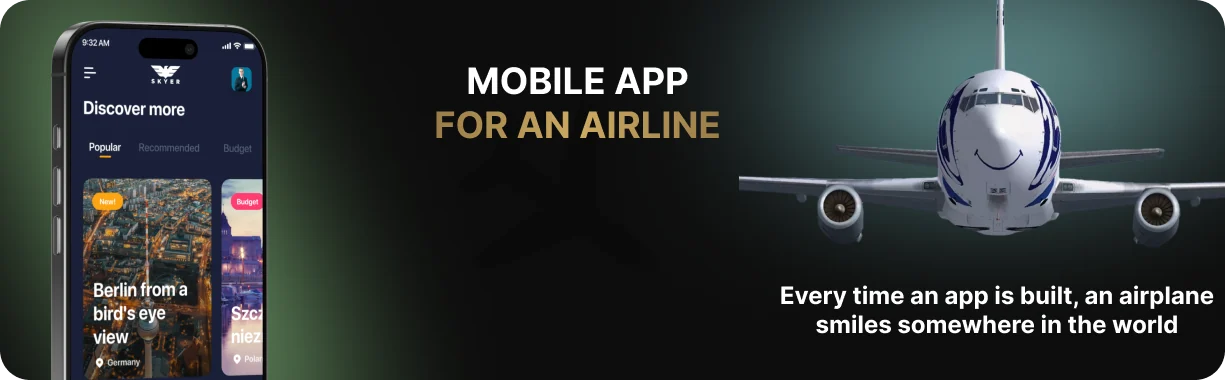
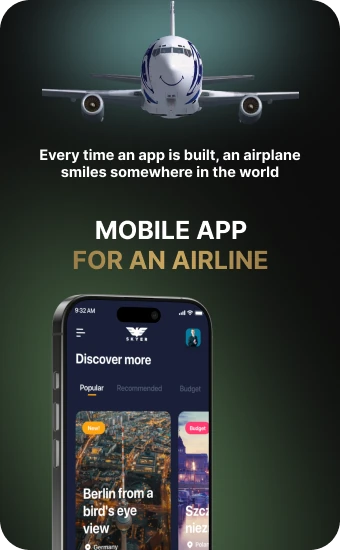
Mobile apps have become an integral part of air travel. They simplify the ticket purchase process, keep passengers informed, and increase customer engagement. Today, more than 70% of users book airline tickets online, and the share of mobile platforms continues to grow steadily. Developing an airline mobile app is an investment not only in technology, but also in passenger loyalty.
Needs and Goals Analysis
Before moving on to the technical implementation of the project, it is important to clearly understand who the future product is intended for. The main user groups are passengers, frequent business travelers, tourists, as well as the airline’s own staff. Each audience has its own goals: some need to quickly find and buy a ticket, others want to track flight status, and employees need internal functionality. In addition, the app can become an entry point to the loyalty program and serve as a communication channel with customers.
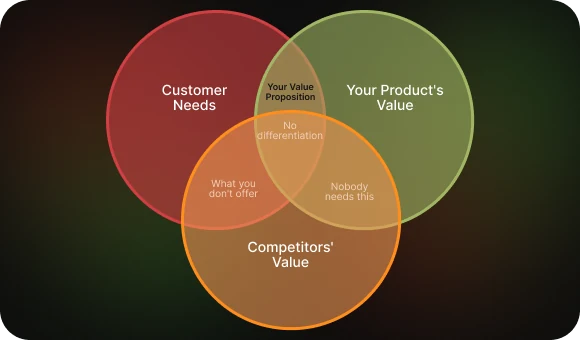
It is equally important to conduct a competitor analysis. Apps from other airlines and aggregators such as Aviasales, Ural Airlines, or Emirates offer a wide range of features: flight search, booking, notifications, and airport map integrations. Studying their approaches helps identify user expectations, define best practices, and find your own niche by improving the user experience.
Key App Features
Ticket booking
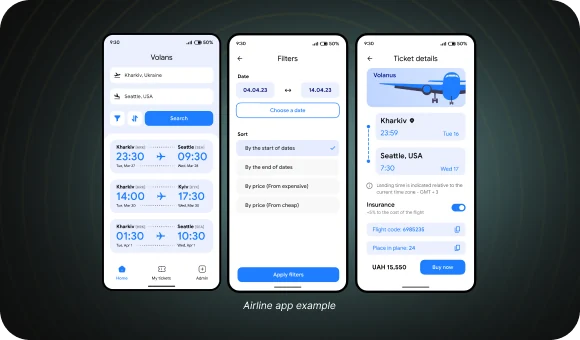
The core feature of any airline app is the ability to purchase airline tickets. The search interface must be clear, flexible, and fast. The user selects a date, destination, preferred class, and filters results by price or duration. Reliable integration with payment systems makes it possible to complete the purchase without unnecessary steps. This stage is critical: any delays, errors, or an unoptimized flow lead to abandoned purchases.
Booking management
Personal account functionality allows passengers to:
- change a flight or cancel a booking;
- select seats on board;
- complete online check-in.
Personalization and notifications
A loyalty program is an important factor in customer retention. A system for earning miles, bonuses, and special offers only works well when there is an accurate understanding of user behavior. Push notifications about changes, discounts, and offers help build stronger brand loyalty.
Additional Features
Additional capabilities can become a major competitive advantage. This may include integration with airport navigation, real-time flight information, access to duty-free shopping and onboard meals, menu selection, or multilingual support. Multilingual functionality is especially important for airlines operating international routes, as it expands reach and increases trust in the brand.
Airline Mobile App Development: Stages
1. Research and planning
The team gathers requirements from all stakeholders: customers, employees, and business analysts. Based on this information, a feature map is created and the scope of the MVP (minimum viable product) is defined. At the same time, technical limitations, existing systems, and available APIs for integration are evaluated. This approach helps avoid overlooked scenarios and saves resources at the next stage.
2. Design
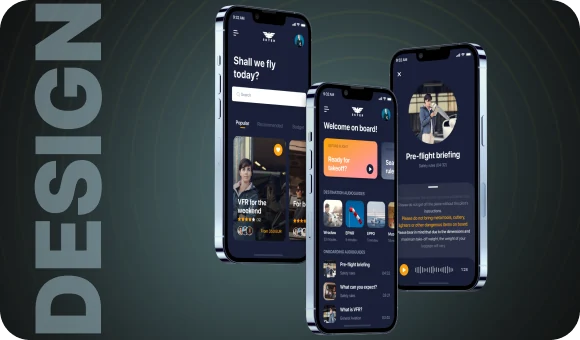
Next comes the design stage. It is important not just to make the app attractive — it must be clear at first glance. Interaction logic is carefully planned, visual priorities are set, and prototypes are tested with users. A universal and intuitive interface reduces the learning curve and lowers the number of support requests. The design should be adapted for both Android and iOS, taking into account the specifics of each platform.
3. Development
At the development stage, the technology stack is chosen. Cross-platform solutions such as Flutter or React Native are often used to speed up time to market. The team integrates external and internal APIs, including GDS (Global Distribution Systems), as well as the company’s CRM systems. Special attention is given to security: data storage, payment protection, and system resilience. The app must also be prepared to scale as the number of users grows.
4. Testing
Then testing begins. It includes checks across different devices, operating systems, and usage scenarios. Both obvious functions and edge cases are tested: changing the language, canceling a booking at the last minute, or dealing with network issues. Load testing is also performed to make sure the app can handle peak times — for example, during holidays or periods of mass flight cancellations.
5. Launch and support
The final step is launch and support. Publishing in app stores is accompanied by gathering the first user feedback. This helps the team understand how users interact with the app, which features are in demand, and which ones need improvement. Updates should be released regularly. Product support and growth are not separate stages, but an ongoing process that requires constant analysis of metrics and user requests.

Technical Aspects
Integration with external services is the main technical requirement. The app must receive up-to-date information about flights, prices, and seat availability in real time. Connecting to GDS systems such as Amadeus or Sabre makes it possible to synchronize schedules and pricing. Without this integration, the user experience will become fragmented: data on the website and in the app will differ, which will lead to customer distrust.
Security is another cornerstone. The user shares personal and payment data with the app, and the company is responsible for protecting it. Modern encryption protocols are used, along with biometric authentication and compliance with GDPRand PCI DSS requirements. Activity monitoring systems are also implemented to prevent fraudulent actions. The reputational risks of a data leak are too high to ignore security measures.
App performance directly affects user engagement. Optimizing loading speed, providing offline access to the latest flight information, and caching frequently used data all reduce network load and improve stability. The app must be ready to work under weak signal conditions, for example in airports with overloaded networks or while roaming.
Examples of Successful Apps
Aviasales — a flight aggregator that gives users flexible search by routes, dates, and airlines, filtering by price and layovers, comparing offers, and booking directly with partners without unnecessary steps.
KikiTiket — focused on instant ticket purchase: from choosing a destination to completing payment takes no more than one minute. A simple interface, minimal clicks, autofill, and instant confirmation make it popular among users who value speed and convenience.
Ural Airlines — implemented integration with Apple Wallet for convenient boarding pass storage and instant push notifications about flight status, gate changes, and other important information, which significantly improves passenger awareness and peace of mind during travel.
Each of them stands out for a particular strength — from minimalist design to high reliability.
App Promotion
Creating the app is not enough. It also needs promotion:
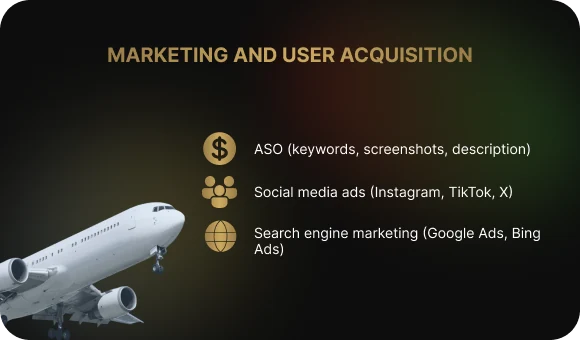
- ASO — a comprehensive process of optimizing the app listing in the App Store and Google Play, including the title, description, keywords, icon, and screenshots, to improve search visibility, attract the right audience, and increase installs;
- social media — regular posts, native videos, and ads on Instagram, TikTok, and Telegram aimed at audience engagement, feature promotion, and attracting new users;
- contextual advertising — placing ads on platforms such as Google Ads and Yandex Direct, taking into account the interests, behavior, and travel routes of users, which helps deliver information about the app to the target audience, increase brand awareness, and drive installations.
It is also important to set up feedback collection: built-in forms, integration with ratings, and prompt responses to reviews. This not only improves the brand’s reputation, but also helps plan future versions of the app based on real usage scenarios. An app that evolves and responds to the user becomes not just a service, but part of the customer’s personal travel experience.
Conclusion
Developing an airline mobile app is not just a task for the IT department. It is a strategic project where business goals, user needs, and technology intersect. A well-designed app increases repeat sales, reduces the workload on the call center, and becomes a competitive advantage.
The key to passenger loyalty is a convenient and functional app built around their needs. We develop mobile solutions that turn airline ideas into a powerful tool for booking, flight management, and improving the customer experience. From the first consultation to launch in the App Store and Google Play, we are with you every step of the way. Ready to stand out from the competition with an app your passengers will love? Contact us, and we will create a solution that becomes the foundation of your success.
Needs and Goals Analysis
Before moving on to the technical implementation of the project, it is important to clearly understand who the future product is intended for. The main user groups are passengers, frequent business travelers, tourists, as well as the airline’s own staff. Each audience has its own goals: some need to quickly find and buy a ticket, others want to track flight status, and employees need internal functionality. In addition, the app can become an entry point to the loyalty program and serve as a communication channel with customers.
It is equally important to conduct a competitor analysis. Apps from other airlines and aggregators such as Aviasales, Ural Airlines, or Emirates offer a wide range of features: flight search, booking, notifications, and airport map integrations. Studying their approaches helps identify user expectations, define best practices, and find your own niche by improving the user experience.
Key App Features
Ticket booking
The core feature of any airline app is the ability to purchase airline tickets. The search interface must be clear, flexible, and fast. The user selects a date, destination, preferred class, and filters results by price or duration. Reliable integration with payment systems makes it possible to complete the purchase without unnecessary steps. This stage is critical: any delays, errors, or an unoptimized flow lead to abandoned purchases.
Booking management
Personal account functionality allows passengers to:
- change a flight or cancel a booking;
- select seats on board;
- complete online check-in.
Personalization and notifications
A loyalty program is an important factor in customer retention. A system for earning miles, bonuses, and special offers only works well when there is an accurate understanding of user behavior. Push notifications about changes, discounts, and offers help build stronger brand loyalty.
Additional Features
Additional capabilities can become a major competitive advantage. This may include integration with airport navigation, real-time flight information, access to duty-free shopping and onboard meals, menu selection, or multilingual support. Multilingual functionality is especially important for airlines operating international routes, as it expands reach and increases trust in the brand.
Airline Mobile App Development: Stages
1. Research and planning
The team gathers requirements from all stakeholders: customers, employees, and business analysts. Based on this information, a feature map is created and the scope of the MVP (minimum viable product) is defined. At the same time, technical limitations, existing systems, and available APIs for integration are evaluated. This approach helps avoid overlooked scenarios and saves resources at the next stage.
2. Design
Next comes the design stage. It is important not just to make the app attractive — it must be clear at first glance. Interaction logic is carefully planned, visual priorities are set, and prototypes are tested with users. A universal and intuitive interface reduces the learning curve and lowers the number of support requests. The design should be adapted for both Android and iOS, taking into account the specifics of each platform.
3. Development
At the development stage, the technology stack is chosen. Cross-platform solutions such as Flutter or React Native are often used to speed up time to market. The team integrates external and internal APIs, including GDS (Global Distribution Systems), as well as the company’s CRM systems. Special attention is given to security: data storage, payment protection, and system resilience. The app must also be prepared to scale as the number of users grows.
4. Testing
Then testing begins. It includes checks across different devices, operating systems, and usage scenarios. Both obvious functions and edge cases are tested: changing the language, canceling a booking at the last minute, or dealing with network issues. Load testing is also performed to make sure the app can handle peak times — for example, during holidays or periods of mass flight cancellations.
5. Launch and support
The final step is launch and support. Publishing in app stores is accompanied by gathering the first user feedback. This helps the team understand how users interact with the app, which features are in demand, and which ones need improvement. Updates should be released regularly. Product support and growth are not separate stages, but an ongoing process that requires constant analysis of metrics and user requests.
Technical Aspects
Integration with external services is the main technical requirement. The app must receive up-to-date information about flights, prices, and seat availability in real time. Connecting to GDS systems such as Amadeus or Sabre makes it possible to synchronize schedules and pricing. Without this integration, the user experience will become fragmented: data on the website and in the app will differ, which will lead to customer distrust.
Security is another cornerstone. The user shares personal and payment data with the app, and the company is responsible for protecting it. Modern encryption protocols are used, along with biometric authentication and compliance with GDPRand PCI DSS requirements. Activity monitoring systems are also implemented to prevent fraudulent actions. The reputational risks of a data leak are too high to ignore security measures.
App performance directly affects user engagement. Optimizing loading speed, providing offline access to the latest flight information, and caching frequently used data all reduce network load and improve stability. The app must be ready to work under weak signal conditions, for example in airports with overloaded networks or while roaming.
Examples of Successful Apps
Aviasales — a flight aggregator that gives users flexible search by routes, dates, and airlines, filtering by price and layovers, comparing offers, and booking directly with partners without unnecessary steps.
KikiTiket — focused on instant ticket purchase: from choosing a destination to completing payment takes no more than one minute. A simple interface, minimal clicks, autofill, and instant confirmation make it popular among users who value speed and convenience.
Ural Airlines — implemented integration with Apple Wallet for convenient boarding pass storage and instant push notifications about flight status, gate changes, and other important information, which significantly improves passenger awareness and peace of mind during travel.
Each of them stands out for a particular strength — from minimalist design to high reliability.
App Promotion
Creating the app is not enough. It also needs promotion:
- ASO — a comprehensive process of optimizing the app listing in the App Store and Google Play, including the title, description, keywords, icon, and screenshots, to improve search visibility, attract the right audience, and increase installs;
- social media — regular posts, native videos, and ads on Instagram, TikTok, and Telegram aimed at audience engagement, feature promotion, and attracting new users;
- contextual advertising — placing ads on platforms such as Google Ads and Yandex Direct, taking into account the interests, behavior, and travel routes of users, which helps deliver information about the app to the target audience, increase brand awareness, and drive installations.
It is also important to set up feedback collection: built-in forms, integration with ratings, and prompt responses to reviews. This not only improves the brand’s reputation, but also helps plan future versions of the app based on real usage scenarios. An app that evolves and responds to the user becomes not just a service, but part of the customer’s personal travel experience.
Conclusion
Developing an airline mobile app is not just a task for the IT department. It is a strategic project where business goals, user needs, and technology intersect. A well-designed app increases repeat sales, reduces the workload on the call center, and becomes a competitive advantage.
The key to passenger loyalty is a convenient and functional app built around their needs. We develop mobile solutions that turn airline ideas into a powerful tool for booking, flight management, and improving the customer experience. From the first consultation to launch in the App Store and Google Play, we are with you every step of the way. Ready to stand out from the competition with an app your passengers will love? Contact us, and we will create a solution that becomes the foundation of your success.